19 September 2026 · Reporting checked against the linked sources below.
Generative AI is already good at the visible grammar of culture. Ask for beadwork, a township street, a ceremonial outfit or a ‘South African-inspired’ poster and a model can produce something immediately recognisable. Recognition, however, is not the same thing as knowledge.
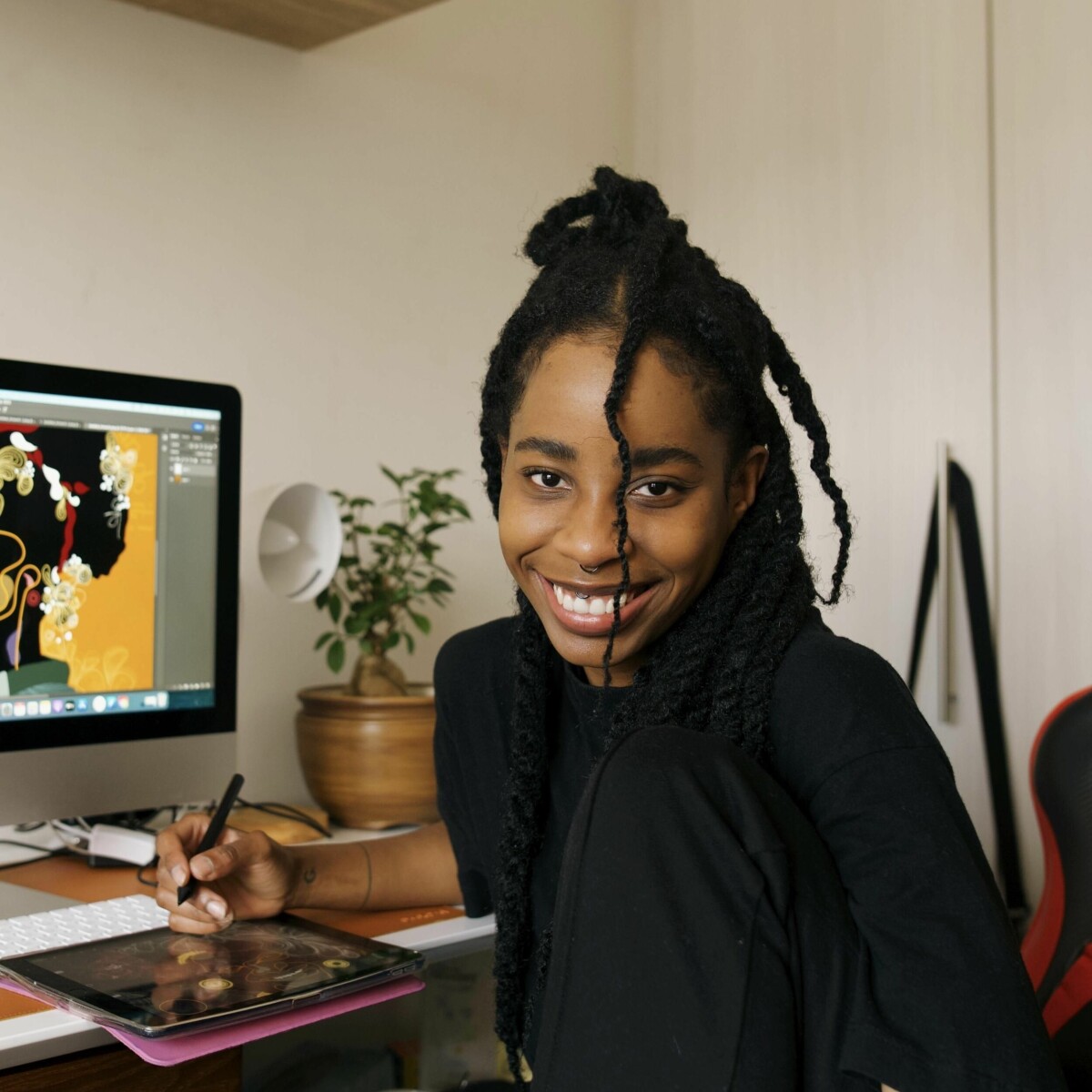
Takealot’s 2026 Heritage Design Challenge makes the distinction unusually concrete. Its rules require original work and exclude designs created by artificial intelligence or similar systems. The competition is not a universal verdict on AI, but the clause turns a broad philosophical argument into a practical one: for this cultural brief, human authorship is part of what qualifies the work.
Why might that matter? Culture is not only a collection of visual features. A pattern can carry family, regional, spiritual or political meaning. A colour combination may be ordinary in one context and inappropriate in another. A designer who belongs to, researches or collaborates with a community can explain why a reference is there. A model can generate a plausible surface without having that relationship.
At the same time, refusing all AI use can oversimplify how creative tools work. Designers already use software for retouching, layout, translation, research and iteration. Generative systems can become another part of that toolkit. The important questions are where the system enters the process, what data and references it draws from, whether the human creator can account for the choices, and how the final work is represented to audiences.
UNESCO’s new research on South African digital creators makes a related point from another direction: media and information literacy, ethics and platform knowledge are becoming core creator competencies. AI literacy now belongs in that bundle. Creators need to know not only how to prompt a system, but how to recognise hallucination, imitation, rights risks and cultural flattening.
The future debate should therefore move past ‘AI versus artists’. A better question is: what kind of authorship does this work require? When the brief is cultural, the answer may demand more than an image that looks right. It may demand a person who can say what the image means — and why they had the right to make it.